HEIGHT
Built to be seen
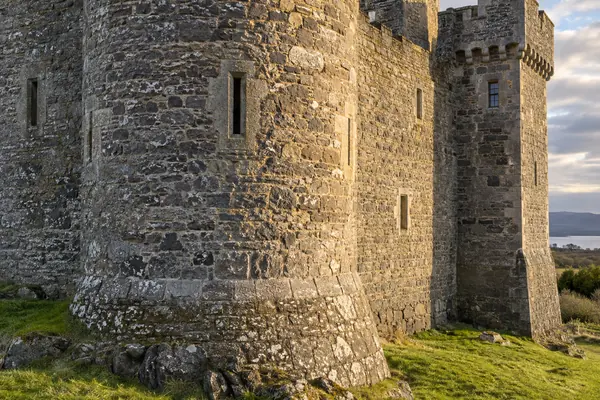
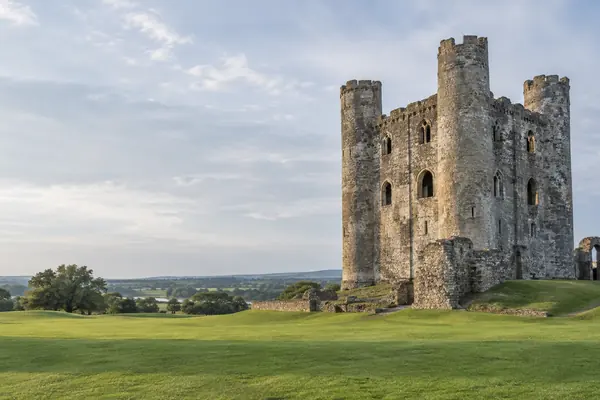
Rochester's keep stands 38 metres (125 feet) high. English Heritage calls it the tallest such building to survive in Europe.
See the numbers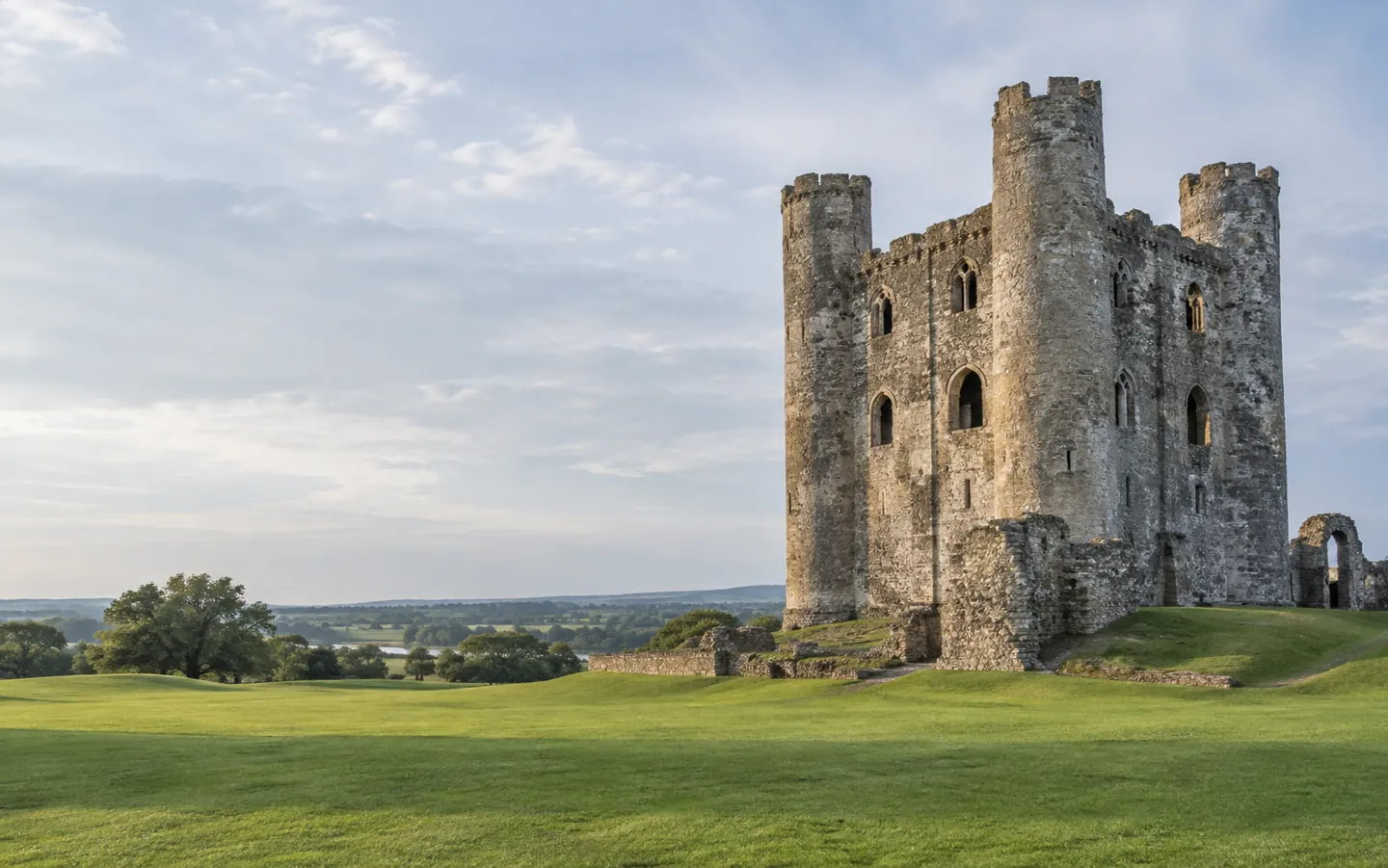
WHAT THE HISTORIANS SAY
DOOR UPSTAIRS corners built to last
AI-generated image, not a photograph of a real person or place.
Every great castle had its great tower.
The keep was the strongest building in a castle and often its grandest home. English Heritage histories show how keeps grew from timber towers on earth mounds into stone giants, and how attackers learned to bring them down.
THE SHORT ANSWER
Tall, thick-walled and hard to enter,
it was the last place to hold out.
HEIGHT
Rochester's keep stands 38 metres (125 feet) high. English Heritage calls it the tallest such building to survive in Europe.
See the numbersDEFENCE
Square corners could be undermined. Christchurch's keep had chamfered corners, a new design English Heritage says made it more resistant to undermining.
Read a keepHOME
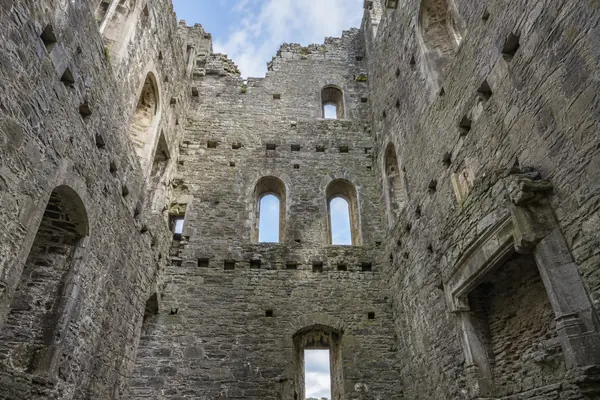
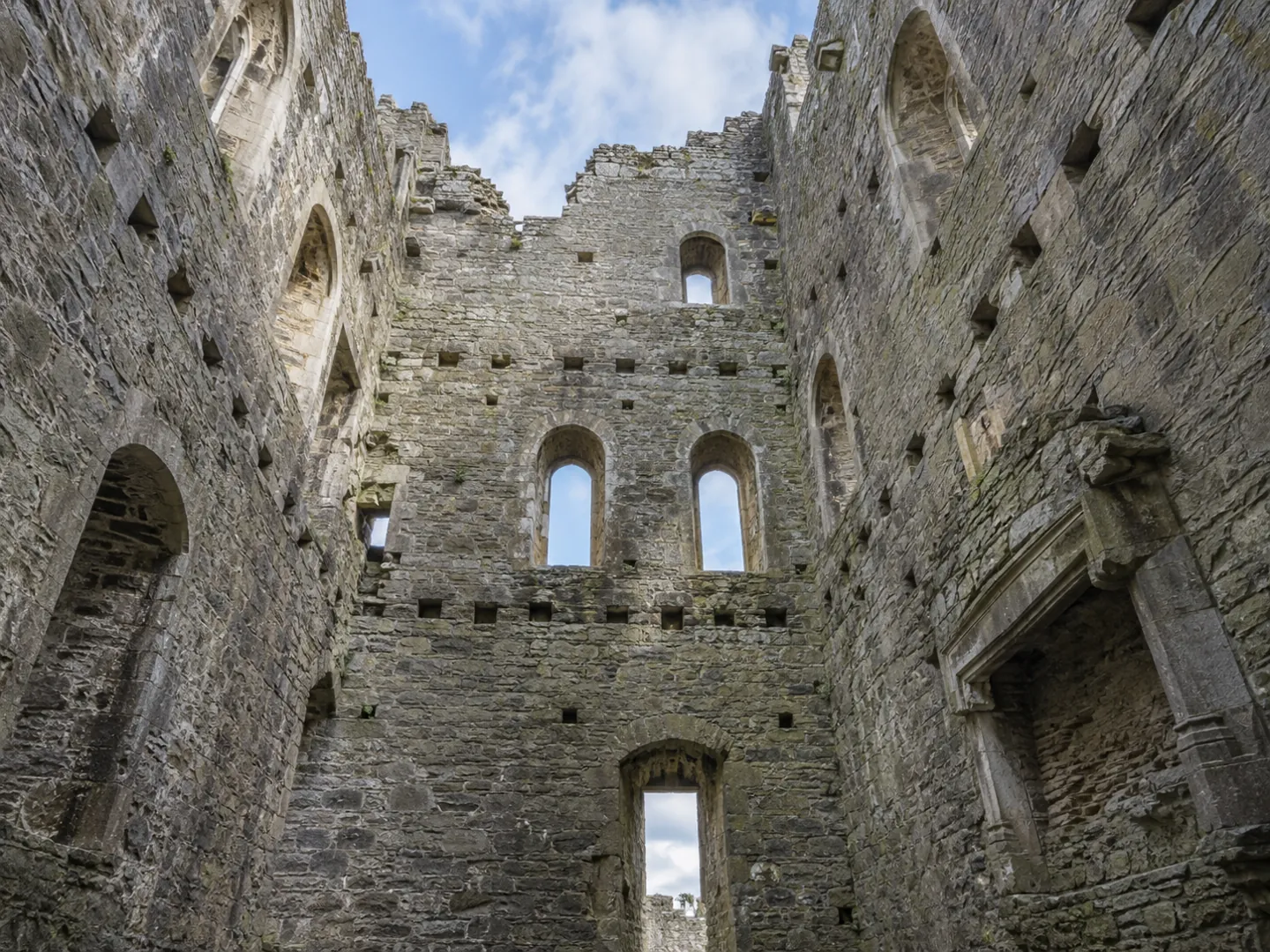
Rochester's walls still hold the remains of windows, latrines and fireplaces, a chapel, and a well shaft in its central spine wall.
What to look for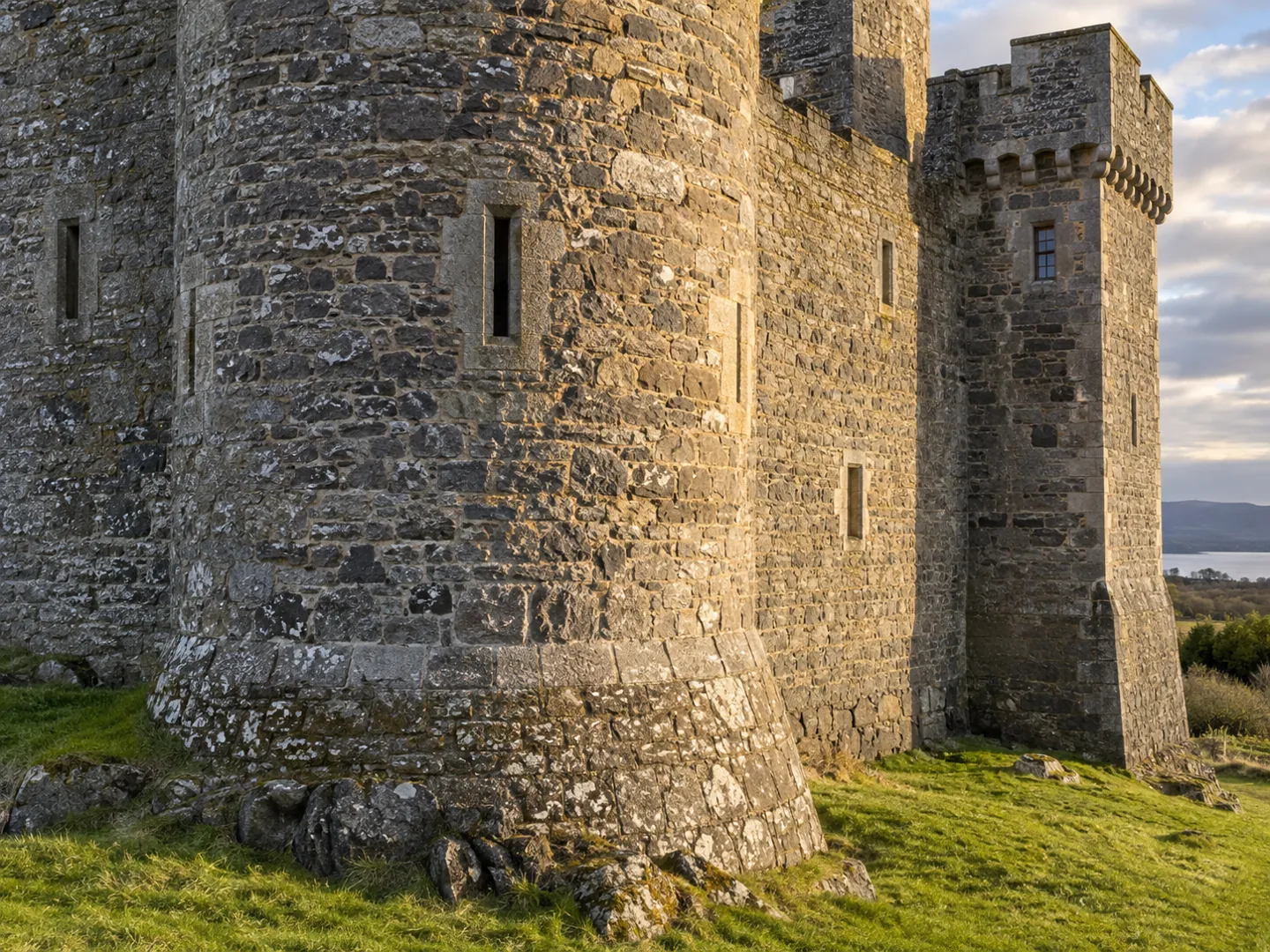
WHAT TO LOOK FOR
Most keeps are ruins now, but the stones still tell you how they were used. These details come from English Heritage descriptions.
Look for the entrance one storey up. A forebuilding or the marks of a timber stair often show where it was reached.
Rows of deep sockets in the walls show where timber floors once sat, even in a roofless keep like Rochester.
At Rochester the higher windows are larger, with chevron carving, because the upper floors were the more important rooms.
A corner that does not match the others can be a repair after a siege, as with Rochester's round south-east turret of the 1220s.
TWO NUMBERS WORTH KNOWING
How high a Norman keep could rise,
and what it took to break one.
38 m
Height of Rochester Castle's keep
That is 125 feet. Its walls are Kentish ragstone, with corners and arched windows in finely shaped Caen stone from Normandy.
HEIGHT · ROCHESTER
40 pigs
Pigs whose fat fired the mine at Rochester
Miners propped up the undermined south-east turret with timber, then burned the props with the fat of '40 pigs too fat to eat', bringing the corner down.
SIEGE · 1215
Source: English Heritage, History and Description of Rochester Castle.
READ A KEEP
Pick a feature you might spot on a visit to see what English Heritage says about it. The bar shows how much the feature was about defence rather than daily life.
Based on English Heritage histories and descriptions of Rochester and Christchurch castles.
FROM TIMBER TO STONE
Many early Norman castles were earth and timber: a high mound, or motte, made from ditch spoil, with a timber keep on top, beside a larger enclosure called the bailey. At Christchurch the stone keep came decades later, in the late 12th century.
Designs kept changing. English Heritage describes Orford's polygonal keep, nearly finished by 1173, as revolutionary, and Dover's great tower, built in 1179–89, as combining defence with a palatial residence.
In conversation
It is the castle's great tower. At Christchurch, English Heritage describes the first keep as a timber tower on a high mound, later replaced by a tall, strong stone keep.
For security. Christchurch's keep was entered at first-floor level by an external timber stair, and Rochester's entrance had a waiting room and an inner door protected by a portcullis.
English Heritage says Rochester's keep, begun after 1127, is the tallest such building to survive in Europe, at 38 metres (125 feet).
By mining. At Rochester in 1215, miners propped up the undermined south-east turret with timber, then burned the props using pig fat, and the corner collapsed.
Yes. Rochester's keep has remains of fireplaces, latrines and a chapel, and English Heritage says that after 1264 it unusually became the castle's principal residential building.
Each figure on this page comes from the sources below.
ABOUT THIS NAME
doodlekeep.com is part of the DoodleSale portfolio. It isn't in an auction right now, but you can ask about leasing it.